
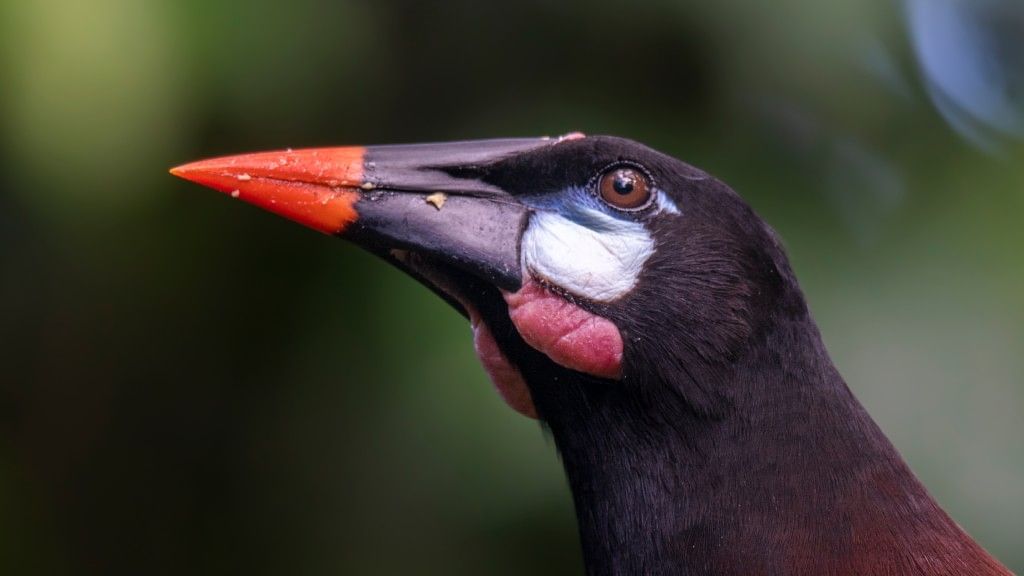
Birdwatching begins with noticing the place around you. Vegetation, nearby water and changes in the forest give context to a call or movement before you identify the bird behind it. At Buena Vista del Rincón in Guanacaste, understanding the habitat also helps explain the bird diversity documented in our conservation landscape.
Why does habitat matter for birdwatching?
Habitat provides the conditions and resources birds use to live, including food, water and shelter. Learning to notice it adds context to an observation rather than reducing the encounter to a name on a list. Start by noticing where movement occurs: near the ground, within lower vegetation or higher in the trees. Sharing that location with your guide can help you describe what you observed. You do not need to identify a species immediately to pay close attention.
What forest environments have been documented at Buena Vista del Rincón?
Scientific work for the area describes tropical moist forest with a transition toward premontane conditions, alongside mature forest, naturally regenerating secondary forest and riparian habitats. These descriptions tell different parts of the landscape's story. Mature and regenerating forest reflect different stages of forest development; riparian habitats are associated with watercourses. The property should not be understood as a single uniform area of untouched forest. As you explore within permitted areas, notice how vegetation and the presence of water change. Those details give context to what you hear or see, even when a bird remains concealed among the leaves.
What is the difference between resident and migratory birds?
Resident birds remain in a region throughout the year, while migratory birds make regular seasonal movements between areas. Migration can cover different distances and may also involve changes in elevation. This distinction helps explain why a bird list brings together observations from different times. It does not mean every recorded species occupies the same place in every month.
How many bird species have been documented here?
More than 150 bird species, including resident and migratory birds, have been documented in the refuge study area. That figure describes records from the area, not the number expected on one outing. Sightings depend on bird behavior and natural conditions; no species or number of encounters is guaranteed. The record helps establish the value of the habitat without turning it into a promise for each visit.
How can you make time for birdwatching during your visit?
Our individual Bird Watching experience sets aside guided time specifically for observing birds. It differs from the incidental encounters that may happen during other activities. You may hear or observe birds from trails or hanging bridges, but that does not mean a dedicated birdwatching tour is included. When birding is a main reason for your visit, explore the individual experience on our website and arrange it directly with our team.
Frequently Asked Questions
1. How long is the experience, and which guide languages are offered?
The individual experience lasts one hour and includes guidance in English and Spanish. Check availability for your intended date.
2. What should I confirm about birdwatching equipment?
Ask before traveling whether optical equipment is supplied or whether you should bring your own. Do not assume binoculars, a spotting scope or identification materials are included without checking with our team.
3. Does the experience take place inside Rincón de la Vieja National Park?
No. It takes place at Buena Vista del Rincón in the wider Rincón de la Vieja landscape, not inside the National Park.
Give the forest your attention
A pause to listen and a closer look at the surroundings can turn a walk into a discovery. Bring your curiosity about birds and about the place that supports them.
Explore Bird Watching and plan your visit directly with Buena Vista del Rincón.